

Decisions before capital. Process before close.
Every acquisition begins with a hold-period thesis. Every investor relationship runs on direct access and open records. Neither is optional.


Six to eight deals. Each one fully underwritten.
Volume is a constraint, not a shortcoming. Fewer transactions mean every deal receives the underwriting depth and management bandwidth it requires from day one.
Hold periods are modeled before we close, not rationalized afterward. The decision to hold or exit follows the numbers, not the calendar.
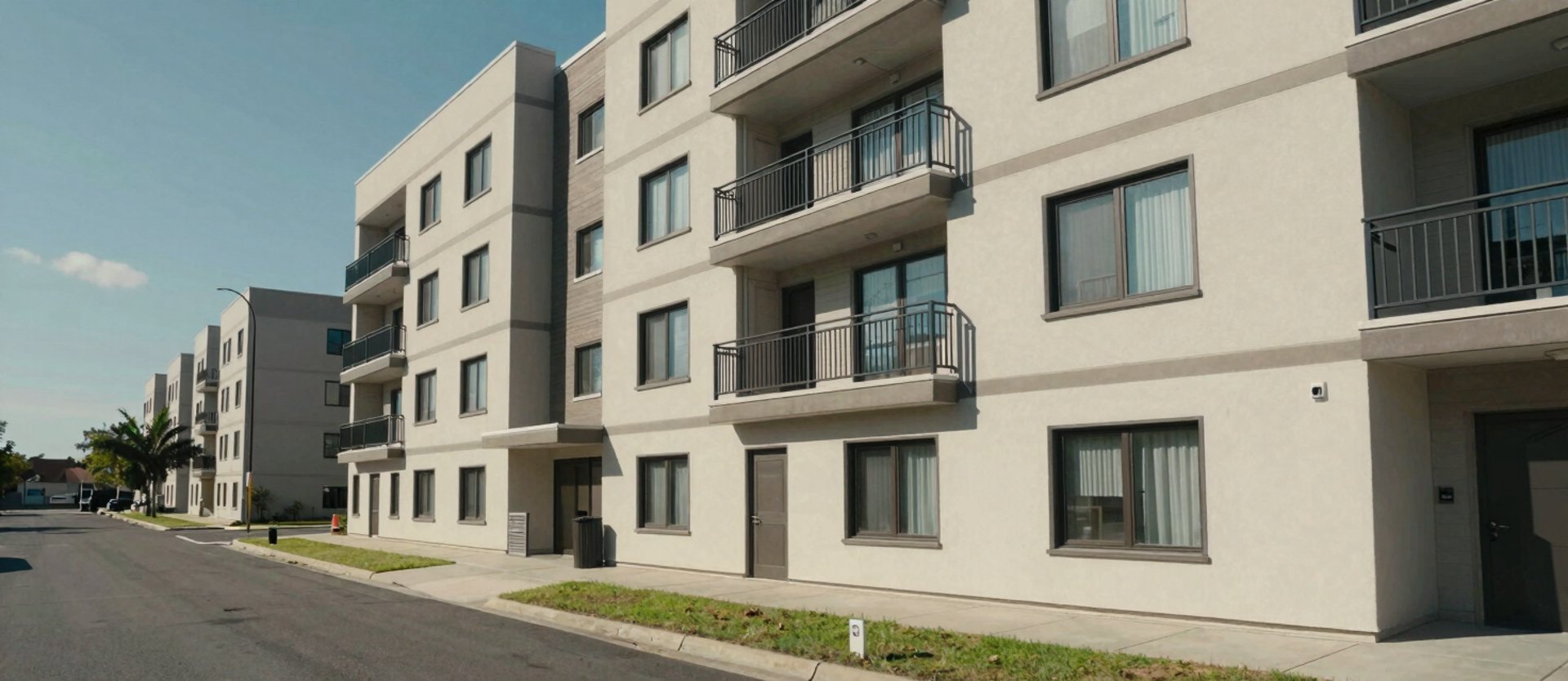


We manage what we own. No handoff.
The principals who source a deal are the same people overseeing its operations. There are no layers between ownership and management — that continuity is deliberate.
Tenants deal with the owner. Problems surface faster. Costs stay visible. The asset performs the way the model said it would.
Open books and direct access are the standard.
Investors receive quarterly letters covering what we own, what we paid, and where each asset stands. That cadence does not change based on deal size or relationship length.